Narrow shape01
Thule Force 3 L Sport
VOLUME300LPLAN EMPTY15.4kgLENGTH191cm
A 63cm-wide shell for longer, narrower bags. Check the full shared roof layout before adding another carrier.
View on Amazon UK ↗Read the full comparison ↓ Roof Box & Rack
UK roof-carrying guides
Make space for luggage, bikes and outdoor kit. Find the right starting point, compare the equipment and check what works with your car.
Vehicle-specific fit. Usable space. The complete load.

Settle the important questions first
Start with the actual bags, usable interior shape and weight allowance.
Read the guide Roof barsUnderstand the bars, feet and fitting kit your exact car needs.
Read the guide Fit & clearanceCheck the mounts, hatch, bar spacing and total travelling height.
Read the guide Packing & restraintPlan the bag layout, weight distribution and internal restraints.
Read the guideSetup finder
Tell us what you want to carry and the kind of roof your car has. We’ll point you to the right starting point — then check the details for your exact vehicle.
Compare the shape, not just the litres
A compact shell, a narrower layout and more room for bulky luggage. Start with the job, then check the dimensions, empty weight and mounting requirements.
A 63cm-wide shell for longer, narrower bags. Check the full shared roof layout before adding another carrier.
View on Amazon UK ↗Read the full comparison ↓The spacious option here, with two-sided access. Its empty weight makes the load calculation especially important.
View on Amazon UK ↗Read the full comparison ↓A shorter, lighter shell for compact bags and occasional trips. Single-side opening; mounting requirements need confirmation.
View on Amazon UK ↗Read the full comparison ↓These are researched comparisons using published specifications and instructions. The exact vehicle, rack and supplied box still need their own fit checks. Use the roof-load calculator before filling the box. Comparing Force 3 with Motion 3? Use equivalent sizes.
Beyond the luggage
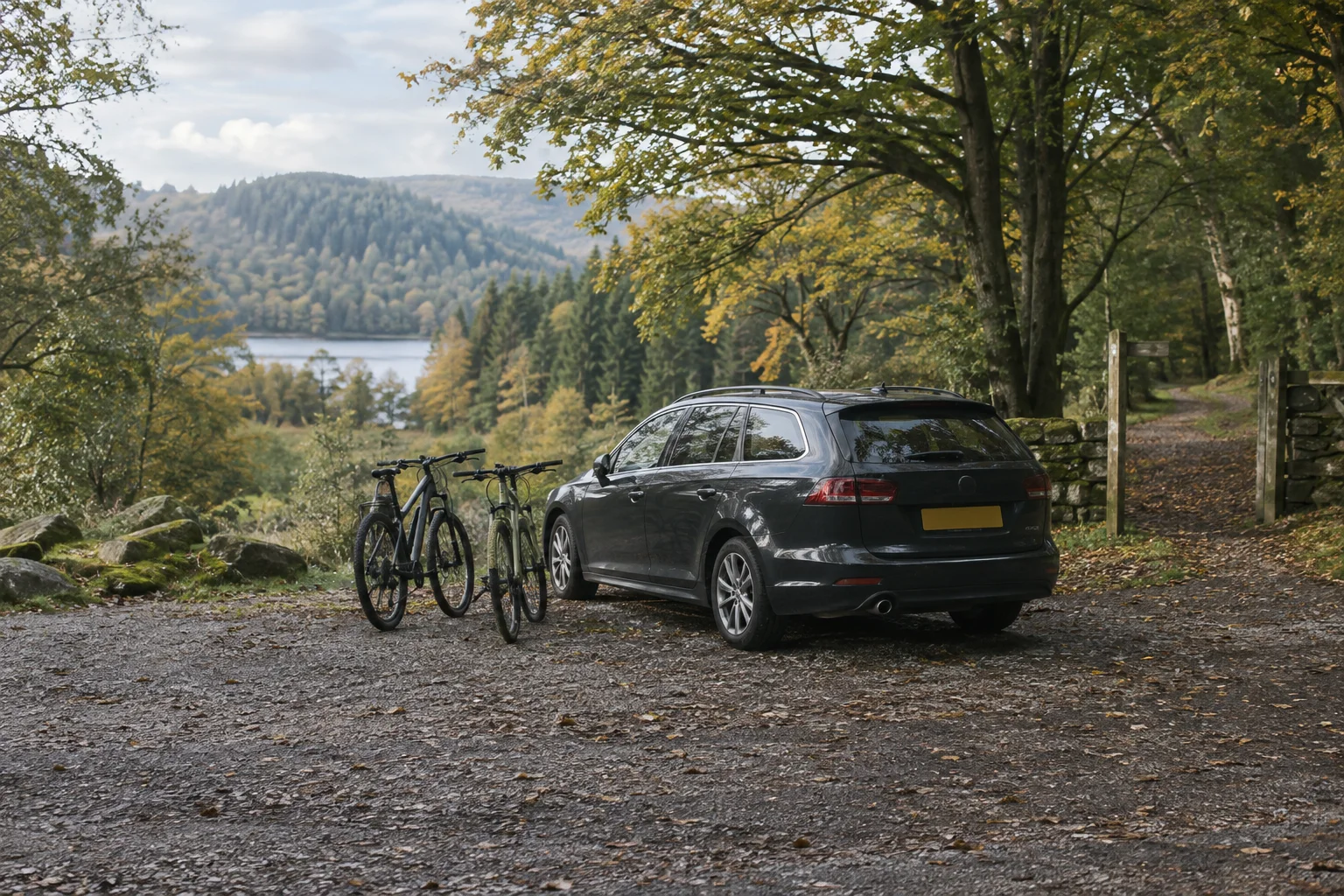
Cycling
Compare frame, wheel and fork mounting around your actual bike.
Read the guide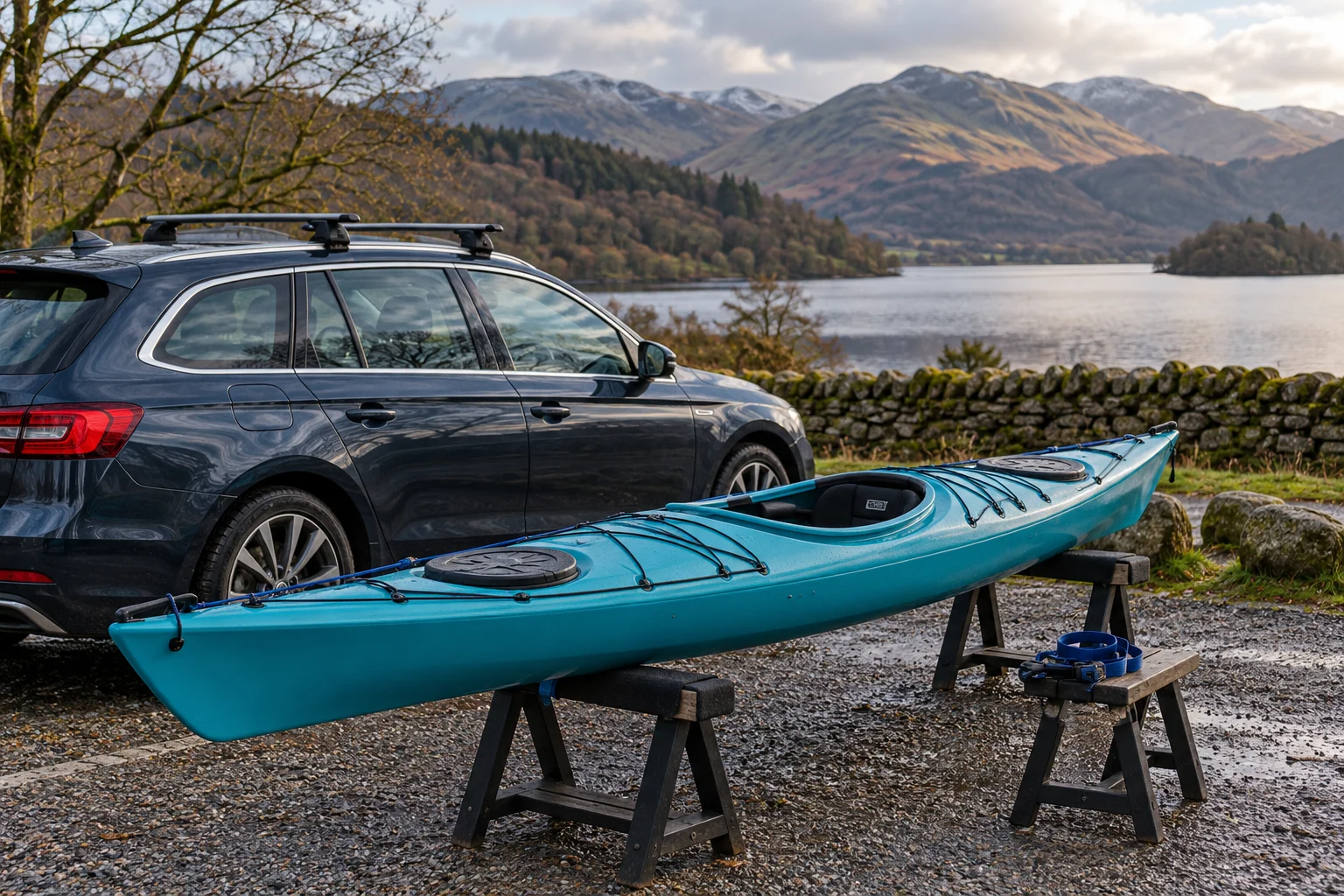
Watersports
Check hull support, loading height and the required restraint arrangement.
Read the guide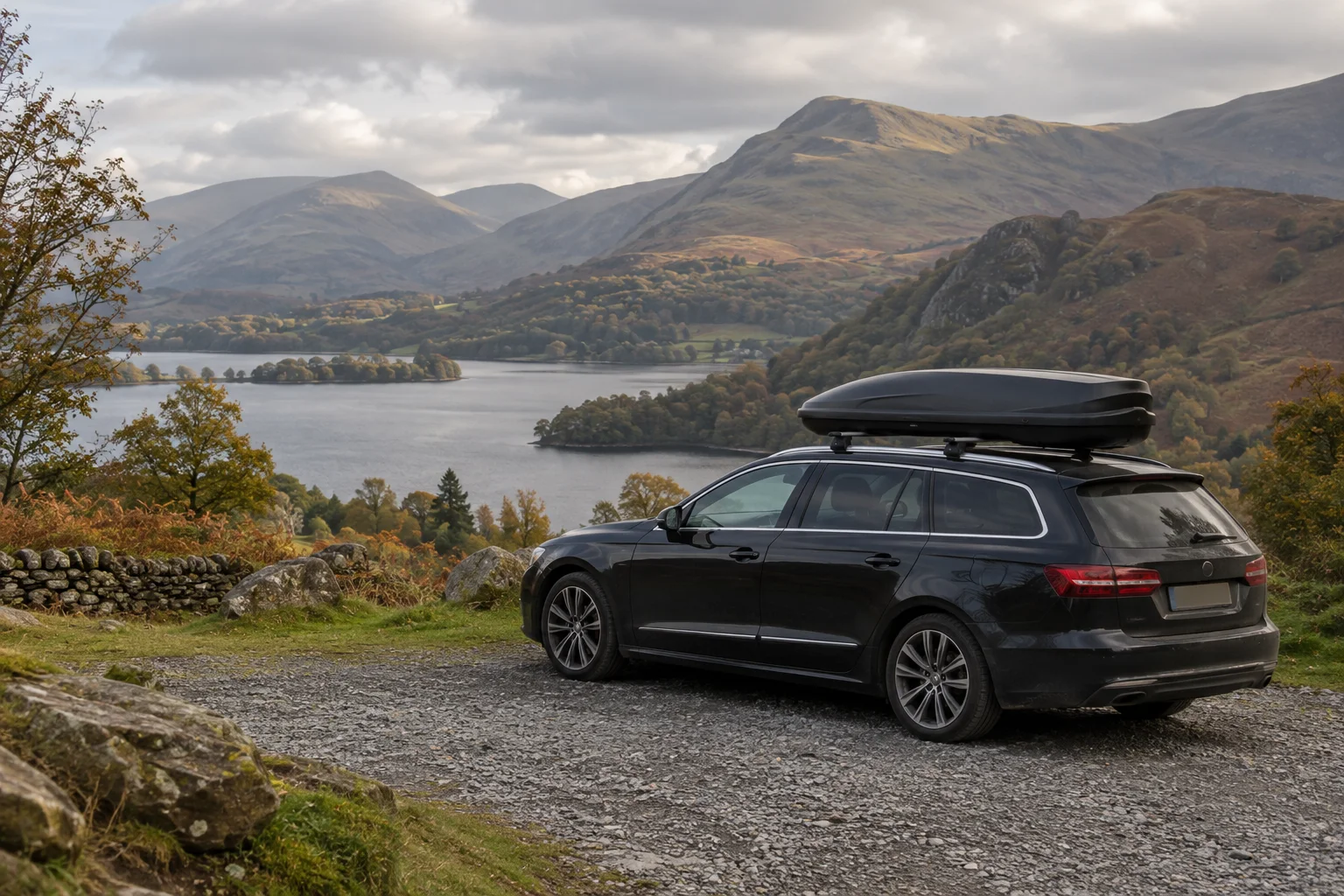
Before travelling
Work through the rack, load, locks, height and journey checks before setting off.
Read the guide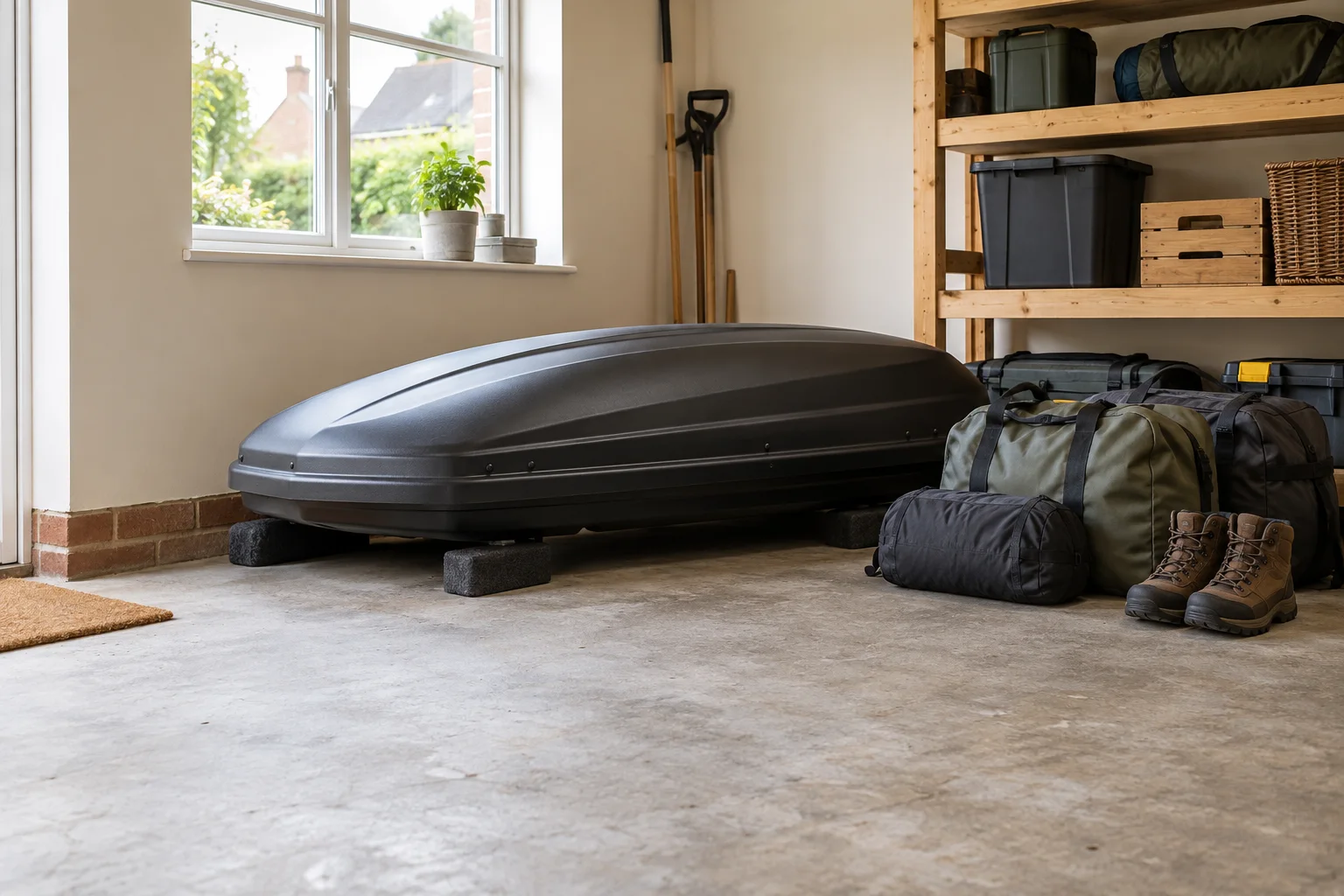
Back at home
Plan the support, space and handling before choosing a mount or hoist.
Read the guideThe roof-load calculator
Space and weight are separate decisions. The vehicle, rack and box each have a limit, and the empty equipment uses some of the allowance before luggage is added.
Work out the weight
Enter verified driving limits and weights in kilograms. The rack capacity field means the load carried above the rack, excluding the rack's own weight. If your instructions define the rating differently, confirm its meaning with the manufacturer first. Include any lower fitting-kit limit.
This calculation checks weight only. It cannot confirm vehicle fit, load distribution, mounting, clearance or the suitability of other equipment. Allow for weighing uncertainty and follow all equipment instructions.
For help choosing the inputs, read the worked roof-load calculation and the dynamic versus static explanation.
Already have the equipment?
Changing cars, missing parts or a box that is not working normally? Start with the specific problem.
Find fit & troubleshooting help →Before you buy
Identify the exact vehicle, body style and roof type, then obtain the approved complete rack. Choose the box or carrier around the luggage or equipment, and check mounting, clearance and every applicable load limit before purchase.
No. Extra volume does not increase the vehicle’s roof allowance or total payload. Bars, feet, the empty box and any other roof equipment use allowance before luggage is added. The calculator helps with the separate limits; it cannot confirm fit.
The finder directs you to useful guidance for your carrying task and roof type. It does not select part numbers or certify compatibility. Use the manufacturer’s exact vehicle selector and the instructions for the actual equipment.
Only where the complete arrangement is approved and fits. Check usable mounting width at both bars, clamps, lid and equipment movement, independent restraints and the total load. Subtracting shell width from bar length alone is not a fit check.